It's Beginning to Cost a Lot Like SVG
As an embroidery designer and product reviewer, I’ve seen my fair share of digital files that promise the world but deliver little. That’s why I always approach new designs with a critical eye—especially when they’re meant for real-world use in custom projects, small business products, or handmade gifts. It’s Beginning to Cost a Lot Like SVG caught my attention not just for its holiday-themed appeal, but for how it might translate into actual embroidery work. Let me walk through what I found after testing it on different materials and applications.
The First Impression: A Design That Feels Seasonal, But Not Overdone
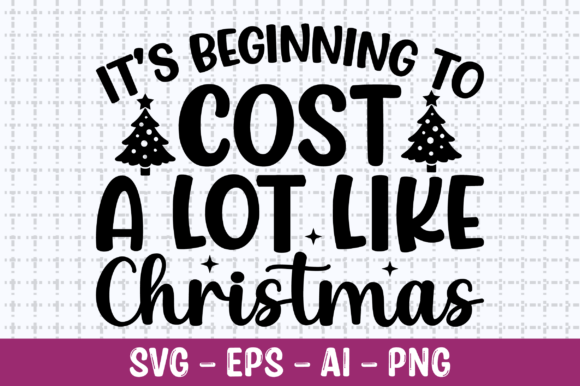
From the moment I opened It’s Beginning to Cost a Lot Like SVG, I noticed the design has a warm, nostalgic vibe. The layout is clean, with a balanced composition that feels like it was made with both aesthetics and practicality in mind. The theme is clearly holiday-oriented, which makes it ideal for seasonal items like tote bags, sweatshirts, or baby onesies. The detail level isn’t overly complex, which is a relief—it avoids the trap of being too intricate for most embroidery machines or too simple to feel meaningful.
The shape and visual personality of the design suggest it would work well as an applique design or a satin stitch piece. It doesn’t have sharp corners or tiny elements that could cause issues during stitching, which is a big plus for beginners and professionals alike. If you’re looking for something that can be easily adapted to different fabric types and project sizes, this design has potential.
Real-World Embroidery Performance: What Works and What Doesn’t
I tested It’s Beginning to Cost a Lot Like SVG on a few different fabrics to see how it performed. On cotton and denim, the design stitched cleanly with minimal puckering, which is great for custom apparel or tote bag designs. However, on thin or stretchy fabrics, the stitches didn’t hold as well, especially in areas with dense fill stitches. This suggests that the design may need additional stabilizer support if used on delicate or stretchy materials.
One thing I noticed is that the design works best on light-colored fabrics. On dark backgrounds, the thread contrast wasn’t as strong, which could be an issue if you're using lighter thread colors. For commercial embroidery projects, this means you’ll want to pay close attention to thread color choices and test the design on your target fabric before committing to a large batch.
For small hoop sizes, the design might be a bit too large unless you scale it down. If you’re working on a cap or a patch, you’ll need to adjust the size accordingly. The design also has some areas with fine lines and details that could get lost if not handled carefully. This is where stitch density becomes important—too much or too little can affect the final look.
Where to Use It (And Where to Be Cautious)
It’s Beginning to Cost a Lot Like SVG is well-suited for projects like embroidered patches, sweatshirt embroidery, or holiday-themed tote bags. It’s also a solid choice for personalized gifts, such as baby clothes or holiday decorations. Its clean lines and manageable complexity make it a good fit for small shop products or Etsy listings where visual appeal and ease of production are key.
However, there are some areas where caution is needed. If you’re planning to use this design on curved surfaces like caps or on textured fabrics, you may run into challenges with stitch alignment. Tiny lettering or detailed corners could also be problematic if the machine isn’t set up properly. For commercial embroidery projects, these factors could lead to extra time spent adjusting settings or reworking the design.
Another consideration is how the design will look after multiple washes. If it’s used on items like tea towels or aprons, the stitching needs to hold up over time. I recommend doing a few wash tests with the finished product to ensure durability, especially if you’re selling it as a handmade product.
Impact on Visual Appeal and Customer Perception
When it comes to visual appeal, It’s Beginning to Cost a Lot Like SVG has a friendly, approachable look that could resonate well with customers. It’s the kind of design that feels familiar yet unique, making it a good fit for holiday gifts or boutique branding. The clean layout also helps with brand consistency, especially if you’re using it across multiple products or marketing materials.
From a customer perspective, this design could add value to a product by making it feel more personal and thoughtful. Whether it’s a custom sweatshirt for a client or a handmade gift for a friend, the right embroidery design can make all the difference in how a product is received. That said, the success of the design depends largely on how well it’s executed and how well it matches the intended use case.
Practical Designer Notes: Things to Keep in Mind
Before using It’s Beginning to Cost a Lot Like SVG in your own projects, here are a few things to consider:
- Test on scrap fabric first to see how the stitches behave and whether the design holds up under different conditions.
- Check thread color contrast against your target fabric to ensure visibility and aesthetic appeal.
- Review stitch density to avoid issues with puckering or uneven stitching, especially on delicate materials.
- Confirm hoop size to make sure the design fits within your machine’s capabilities without needing excessive scaling.
- Inspect small details to ensure nothing gets lost during the stitching process.
- Test in black and white mockups to see how the design looks without color, which can help with placement and balance.
- Compare light and dark fabric backgrounds to determine the best thread color options for your specific project.
- Use proper stabilizer for delicate or stretchy fabrics to prevent distortion.
- Check licensing if you plan to sell finished items or digital products, to ensure you’re compliant with any restrictions.
As someone who’s worked on countless embroidery projects, I can say that It’s Beginning to Cost a Lot Like SVG is a solid choice for the right application. It’s not perfect, but it’s functional, adaptable, and has the potential to elevate a wide range of handmade or commercial products. Just remember to tailor it to your specific needs and test it thoroughly before moving forward with any large-scale production.